
Private Investigator Continuing Education — 100% Online
State-Compliant Courses. No Exams. Certificate Upon Completion.

Surveillance isn’t just about following a target—it’s about staying invisible, adaptable, and always one step ahead. This advanced course is designed for investigators who want to refine their field techniques, leverage cutting-edge technology, and outmaneuver even the most surveillance-conscious subjects.
What You’ll Learn:
Advanced Mobile & Stationary Surveillance – Track subjects effectively while remaining undetected.
High-Tech Tools & AI-Driven Intelligence – Integrate drones, GPS tracking, thermal imaging, and OSINT.
Counter-Surveillance & Evasive Maneuvers – Outsmart subjects who are watching for a tail.
Physical & Digital Reconnaissance – Extract critical intelligence from locations, networks, and metadata.
Professional Report Writing & Evidence Handling – Ensure your findings hold up in legal proceedings.
Whether you're conducting corporate investigations, high-stakes surveillance, or intelligence gathering, this course will equip you with the tactics, tools, and techniques to operate with precision and confidence.
Course Hours: 6
Approved & Accepted In: Tennessee (2510.05) • Texas(Y31101601) • Iowa • Illinois • Oklahoma (PS25-0122) • Minnesota (CPD 710) • Oregon • North Carolina (PPSB-26-004) • Missouri (00184) • Alabama

Interviewing is more than just asking questions—it’s about psychology, strategy, and extracting the truth. Whether you’re conducting interrogations, debriefing informants, or gathering intelligence, mastering human interaction is the key to uncovering critical information.
What You’ll Learn:
Advanced Questioning Techniques – From open-ended elicitation to structured interrogations, know when to push and when to listen.
Building Trust & Rapport – Navigate psychological barriers and gain cooperation from even the most resistant subjects.
Detecting Deception with Precision – Analyze microexpressions, vocal cues, and body language to spot inconsistencies.
Handling High-Stakes Interviews – Adapt your approach for hostile, reluctant, or manipulative individuals.
Turning Conversations into Intelligence – Verify findings, document insights, and strategically apply what you uncover.
Whether you’re debriefing a confidential source, interrogating a suspect, or conducting interviews for corporate, legal, or intelligence operations, this course will give you the strategic tools and psychological insights to uncover the truth effectively.
Course Hours: 6
Approved & Accepted In: Tennessee (2510.07) • Texas(Y31101601) • Iowa • Illinois • Oklahoma (PS25-0121) • Minnesota (CPD 709) • Oregon • North Carolina (PPSB-26-006) • Missouri (00185) • Alabama

An investigation is only as strong as the evidence behind it—and how well that evidence is presented. From the field to the courtroom, your ability to build a solid case and document findings with precision is what separates the average investigator from the trusted professional.
What You’ll Learn:
Advanced Evidence Collection Techniques – Gather and preserve evidence with a clear chain of custody to ensure courtroom admissibility.
Organizing and Structuring Case Files – Build clean, logical, and comprehensive case files for attorneys, insurance providers, and corporate clients.
Writing Clear, Court-Ready Reports – Learn how to communicate investigative findings with accuracy, professionalism, and legal precision.
Understanding Legal Standards & Pitfalls – Navigate privacy laws, evidentiary rules, and procedural requirements to protect your work from challenges.
Testifying with Credibility – Prepare to present findings confidently under oath and defend your methods with integrity.
Whether you’re preparing a report for litigation, compiling evidence for a corporate case, or testifying in court, this course will give you the tools to build airtight cases and protect the integrity of your investigative work—from first contact to final judgment.
Course Hours: 4
Approved & Accepted In: Tennessee (2510.06) • Texas(Y31101601) • Iowa • Illinois • Oklahoma (PS25-0123) • Minnesota (CPD 711) • Oregon • North Carolina (PPSB-26-005) • Missouri (00186) • Alabama
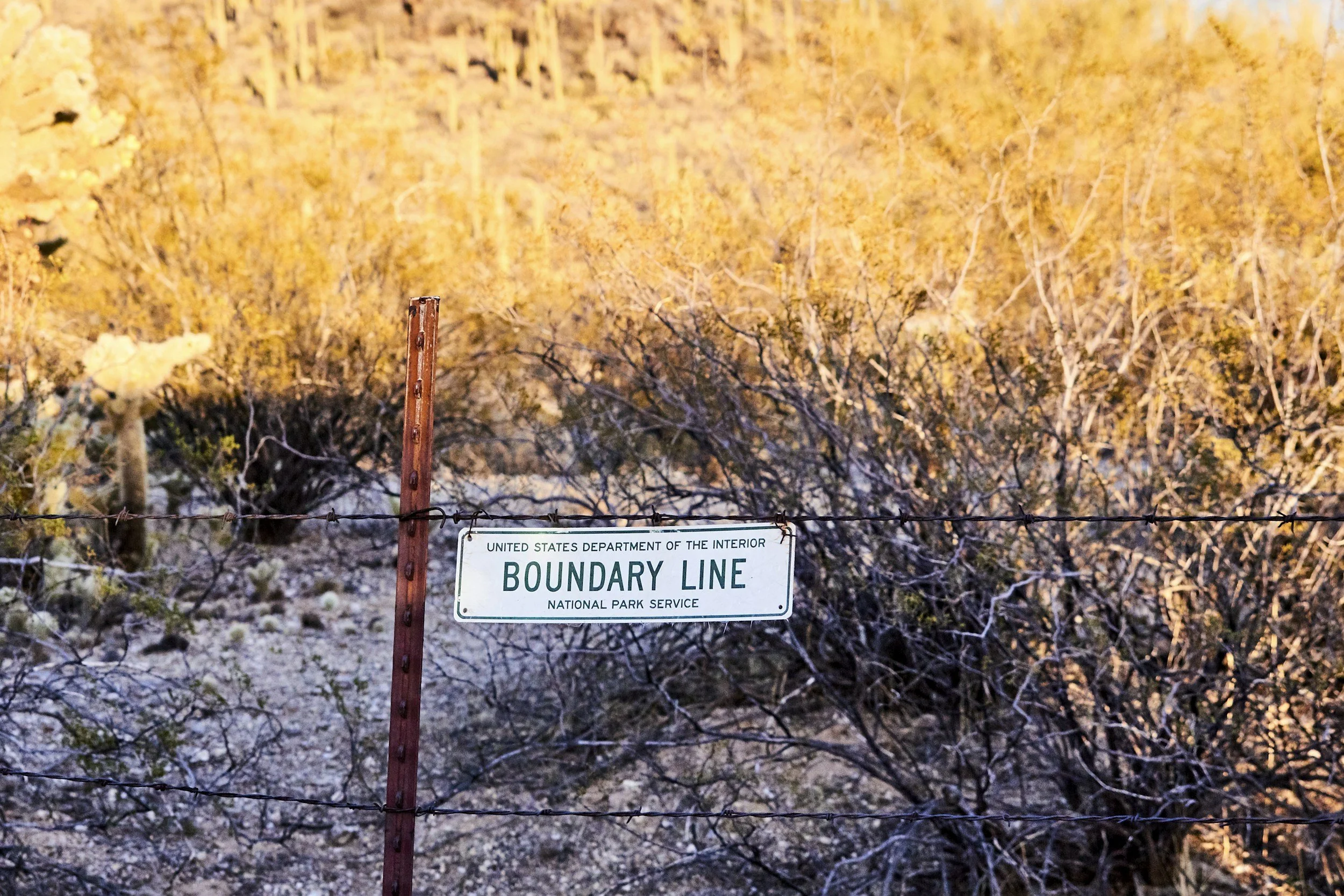
Ethics in investigative work is more than compliance — it’s discipline, judgment, and protecting your professional credibility at every stage of an assignment. Whether you’re conducting surveillance, collecting evidence, preparing reports, or testifying in court, ethical decision-making is what ensures your work remains defensible.
Professional integrity is not accidental. It is intentional.
What You’ll Learn:
Professional Standards & Legal Boundaries – Understand the statutory, regulatory, and industry standards that govern investigative conduct and protect your license.
Objectivity & Bias Control – Recognize subtle influences that can compromise neutrality and learn how to maintain disciplined, fact-driven reporting.
Privacy & Surveillance Limits – Operate confidently within legal boundaries while avoiding overreach that can expose you to liability.
Lawful Evidence Handling & Documentation – Preserve chain of custody, maintain digital integrity, and ensure your findings withstand scrutiny.
Accountability Under Oath – Prepare your work to survive cross-examination, regulatory review, and long-term professional evaluation.
Whether you’re working civil cases, corporate investigations, criminal matters, or intelligence-related assignments, this course reinforces the ethical framework that protects your license, your reputation, and the credibility of your findings.
Because in investigative work, the strength of your case is determined not just by what you uncover, but by how you conduct yourself while uncovering it.
Course Hours: 2
Approved & Accepted In: Tennessee (2605.02) •Texas (Y31101601) • Iowa • Illinois • Oregon • Alabama

Texas private investigator compliance is more than maintaining an active license—it means understanding the laws, administrative rules, and professional obligations that govern your work every day. Whether you’re accepting an assignment, advertising your services, maintaining case records, or preparing for renewal, knowing the rules helps protect your authority to operate.
Compliance is not paperwork. It is part of professional practice.
What You’ll Learn:
Texas Regulatory Foundations – Understand how the Texas Private Security Act, Texas Occupations Code Chapter 1702, and 37 Texas Administrative Code Chapter 35 regulate private investigations.
Licensing, Status & Company Affiliation – Learn how individual licensing and employment by an appropriately licensed company work together—and why an individual credential alone may not authorize regulated work.
Contracts, Advertising & Client Disclosures – Review the requirements affecting written contracts, subcontracted services, advertisements, company identification, license numbers, and consumer notices.
Professional Conduct & Operational Compliance – Understand important rules involving pocket cards, business names, investigative records, cooperation with DPS, and assignments involving capiases or arrest warrants.
Enforcement, Renewal & Continuing Education – Recognize common grounds for disciplinary action and review the renewal, CE, certificate, and record-retention requirements affecting Texas private investigators.
Whether you conduct surveillance, background investigations, civil or criminal casework, workplace investigations, due diligence, or intelligence-related assignments, this course provides a practical review of the Texas laws and rules that affect your license and daily operations.
Because in investigative work, knowing how to conduct an investigation is only part of the job—you must also understand the authority, responsibilities, and limits that come with your Texas license.
Course Hours: 2
Approved & Accepted In: Texas (Y31101601)